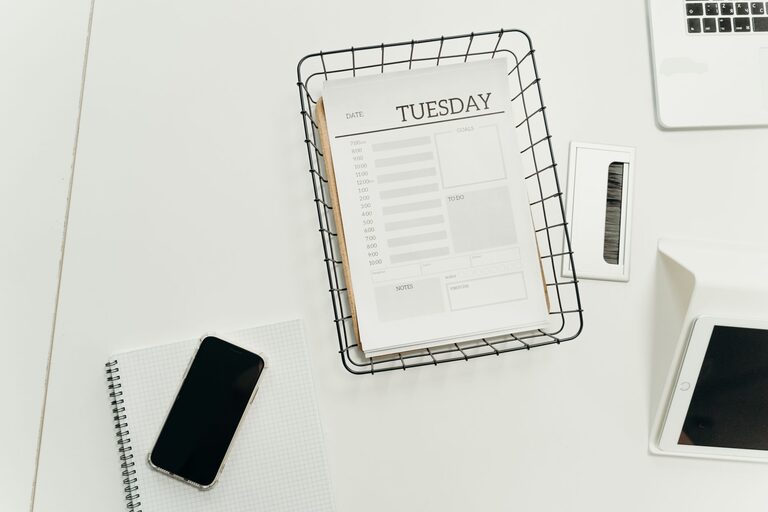

Managing everyday money does not have to involve complicated spreadsheets or strict rules. A simple budget can help you understand where your money goes, prepare for regular expenses, and make room for the things that matter most to you.
The goal is not to track every penny forever. Instead, focus on building a few useful habits that make spending easier to manage. Small changes, repeated consistently, can give you a clearer picture of your finances and reduce money-related stress.
Start With a Simple Money Check-In
Before creating a budget, take a few minutes to review your current situation. Look at your regular income and your usual expenses. You do not need perfect records at this stage. A general overview is enough to identify common patterns.
Make a list of:
– Money that comes in regularly
– Essential monthly bills
– Flexible expenses, such as groceries and transportation
– Occasional costs, such as gifts or yearly fees
– Savings or other financial goals
This first check-in can reveal expenses you may have forgotten about. It can also show where your money is already being used well.
Try to make this review a regular habit. A short check-in once a week or once a month can help you stay aware without making budgeting feel like a major task.
Separate Needs, Wants, and Future Goals
One helpful way to organize spending is to divide it into three broad groups:
Needs
Needs are expenses that support daily life and basic responsibilities. These may include housing, utilities, food, transportation, insurance, and required payments.
Wants
Wants are optional purchases that add comfort, entertainment, or convenience. Examples include restaurant meals, hobbies, streaming services, and shopping for nonessential items.
Future goals
Future goals include building savings, preparing for planned purchases, or setting aside money for upcoming expenses.
These categories are not meant to label every purchase as good or bad. They simply make your choices easier to see. A balanced budget can include wants, as long as they fit comfortably alongside essential costs and future plans.
Track Spending Without Making It Complicated
Tracking spending can be as simple as writing purchases in a notebook, using a phone note, or reviewing your bank activity. Choose a method that is easy enough to use regularly.
For one or two weeks, record:
– What you bought
– How much it cost
– Which category it belongs to
– Whether it was planned or unexpected
The purpose is to notice patterns, not to criticize yourself. You may find that small purchases add up, or that certain days of the week lead to more spending. Once you know your patterns, you can decide which changes are worth making.
If daily tracking feels difficult, try reviewing transactions once or twice a week. Consistency is usually more useful than a detailed system that becomes difficult to maintain.
Plan for Regular and Irregular Expenses
Some expenses arrive every month, while others appear only occasionally. A budget is easier to manage when you prepare for both.
Regular costs may include:
– Rent or mortgage payments
– Utility bills
– Phone and internet service
– Transportation
– Groceries
– Subscriptions
Irregular costs may include:
– Annual memberships
– Holiday gifts
– School or work supplies
– Home maintenance
– Travel
– Seasonal clothing
Make a list of less frequent expenses and estimate when they are likely to occur. You can then set aside a small amount over time instead of handling the entire cost at once.
This habit can make predictable expenses feel less surprising. Even a basic calendar reminder can help you remember when larger or less frequent bills are approaching.
Give Every Dollar a General Purpose
A budget does not need to assign every dollar to a highly specific category. However, it helps to decide what your available money should do before you spend it.
After accounting for essential expenses, consider setting aside amounts for:
– Everyday flexible spending
– Savings
– Planned purchases
– Personal activities
– A cushion for unexpected costs
These amounts do not have to be identical every month. Life changes, and your budget should be able to change with it. The important step is making a plan before your money is already gone.
Use a Short Waiting Period for Unplanned Purchases
Impulse purchases can make it harder to follow a budget. A simple waiting rule can create space between wanting something and buying it.
For small purchases, wait until the next day. For more expensive items, consider waiting several days or longer. During that time, ask yourself:
– Do I still want or need this item?
– Do I already own something similar?
– Is this purchase included in my current plan?
– What other expense might this money support?
This approach does not require avoiding every unplanned purchase. It simply gives you more time to make a deliberate choice.
Make Everyday Spending Easier to Manage
Small routines can reduce unnecessary spending without making daily life uncomfortable. Consider trying habits such as:
– Making a grocery list before shopping
– Checking what you already have at home
– Bringing a drink or snack when practical
– Comparing prices for regular purchases
– Reviewing subscriptions once a few months
– Setting a limit for casual spending
– Planning a few low-cost activities each week
Choose one or two habits to start. Trying to change everything at once can be discouraging. A small routine that lasts is more valuable than a long list of rules that becomes difficult to follow.
Create a Weekly Budget Routine
A weekly routine can keep budgeting manageable. Set aside 10 to 15 minutes to review the previous week and prepare for the next one.
During your check-in:
- Review recent spending.
- Look for upcoming bills or events.
- Check whether any category needs adjustment.
- Set a reasonable amount for flexible spending.
- Note one choice that worked well.
This routine helps you respond to changes early. For example, if an upcoming event will require extra spending, you can adjust other plans before the cost arrives.
Keep a Small Cushion in Your Plan
Unexpected costs are a normal part of everyday life. A small cushion in your budget can help cover minor surprises, such as a replacement item, a higher bill, or an unplanned trip.
The amount will depend on your situation. The key idea is to avoid planning so tightly that one small change disrupts everything. If you do not use the cushion, you can leave it available for the next month or direct it toward a future goal.
Review and Adjust Without Guilt
A budget is a working plan, not a test that you pass or fail. Some months will include unusual costs, schedule changes, or different priorities. Review what happened and update the plan as needed.
Ask:
– Which categories were realistic?
– Where did spending differ from the plan?
– Were those differences temporary or recurring?
– What is one adjustment that could help next month?
Avoid treating a missed goal as a reason to stop budgeting. Use it as information. The more you learn about your habits, the more practical your budget can become.
Keep the System Simple
The best budget is one you can understand and maintain. You may prefer a notebook, a spreadsheet, an app, or a basic list. There is no single correct method.
Start with a few categories, review them regularly, and make small changes when needed. Over time, simple habits such as tracking purchases, planning for upcoming costs, and pausing before unplanned spending can make everyday money decisions clearer and more intentional.
About the Author