Mornings do not have to feel rushed or disorganized. A few simple changes can make it easier to get ready, find what you need, and leave home on time. The goal is not to create a perfect routine. It is to remove small obstacles that add stress to the beginning of your day.
Whether you have 20 minutes or two hours before work, school, or other responsibilities, these practical ideas can help your mornings run more smoothly.
Prepare the Night Before
One of the easiest ways to improve your morning is to move a few tasks to the evening. Small preparations can save valuable time when you are still waking up.
Before bed, consider:
– Choosing your clothes
– Checking the next day’s schedule
– Packing a bag or lunch
– Placing keys and other essentials in one spot
– Preparing coffee or tea supplies
– Setting out anything needed for children or pets
You do not need to prepare every detail. Focus on the tasks that usually make you late or cause unnecessary frustration. If deciding what to wear takes too long, choose an outfit in advance. If you often search for your keys, create a specific place to keep them.
Create a Simple Launch Area
A launch area is a small space near the door where you keep items you need when leaving. It might include a basket, shelf, hooks, or a small table.
Use it for everyday essentials such as:
– Keys
– Wallet
– Work bag
– Shoes
– Sunglasses
– Reusable water bottle
Keeping these items together makes them easier to find. It also helps prevent last-minute searches throughout the home.
Use a Consistent Wake-Up Time
Waking up at a similar time each day can make your routine more predictable. A consistent schedule helps you know how much time you have and reduces the temptation to keep changing your alarm.
If your current wake-up time feels difficult, adjust it gradually. Moving your alarm earlier by 10 or 15 minutes may be easier than making a large change all at once.
Place your alarm somewhere that requires you to get out of bed. This can help you avoid repeatedly pressing snooze. Once you are up, open the curtains, turn on a light, or step into another room to signal that the day has started.
Give Yourself a Small Time Buffer
Many morning problems happen because there is no room for delays. A spilled drink, a missing item, or a slow breakfast can quickly disrupt your schedule.
Try building a 10- to 15-minute buffer into your morning. If you need to leave at 8:00, plan to be ready by 7:45 or 7:50. This extra time can make the routine feel less rushed.
A buffer also gives you a chance to handle small tasks, such as filling a water bottle or checking the weather, without falling behind.
Keep Breakfast Simple
Breakfast does not need to be complicated to be convenient. Choose a few easy options that require little preparation.
Ideas include:
– Yogurt with fruit
– Whole-grain toast
– Oatmeal
– A banana and a handful of nuts
– A prepared smoothie
– Hard-boiled eggs
– Cereal with fruit
You can prepare some foods in advance and keep them ready to grab. If you prefer a larger breakfast, consider making it part of your evening routine by preparing ingredients or setting out dishes.
The main goal is to avoid spending too much time deciding what to eat. A short list of reliable breakfast choices can make the decision easier.
Reduce Morning Decisions
The more choices you make in a short period, the more tiring your morning may feel. Simplify where possible.
You might:
– Create a small rotation of outfits
– Use the same place for everyday items
– Plan meals for several days
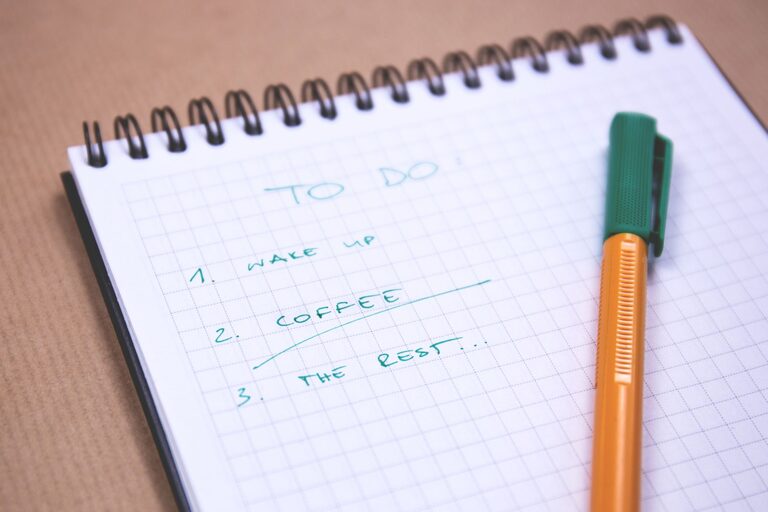
– Keep a short morning checklist
– Limit unnecessary notifications
– Set a regular order for morning tasks
A routine does not have to be strict. It simply gives you a familiar sequence to follow. For example, your routine might be: wake up, open the curtains, wash up, get dressed, eat breakfast, and leave.
Make Your Bathroom Routine More Efficient
Bathroom tasks can take longer than expected, especially when products or tools are scattered around. Group the items you use each morning in one container or drawer.
Keep everyday products easy to reach, and store less frequently used items elsewhere. If more than one person shares the bathroom, assign a place for each person’s essentials.
You can also set a time limit for certain tasks. A short timer may help you stay aware of time without requiring you to check the clock constantly.
Avoid Checking Your Phone Immediately
Checking messages, social media, or news as soon as you wake up can make your morning feel busy before it has even begun. Notifications may also cause you to lose track of time.
Consider waiting until you are dressed or have completed your first few tasks before checking your phone. You can use the device as an alarm while keeping it away from your bed, or turn off nonessential notifications during the morning.
If you need your phone for scheduling or communication, check only the information that is necessary. Save browsing and other activities for later.
Use a Short Morning Checklist
A checklist can be useful when your attention is divided. Keep it short and focused on the tasks you often forget.
A basic checklist might include:
– Get dressed
– Eat or pack breakfast
– Take needed items
– Check the weather
– Turn off lights
– Lock the door
Place the list somewhere visible, such as near the door or on the refrigerator. Once the routine becomes familiar, you may not need the checklist every day.
Make Room for a Pleasant Moment
A smoother morning is not only about speed. Including one small activity you enjoy can make the routine feel more positive.
You might listen to music, open a window, water a plant, read a few pages, or enjoy a quiet drink. Even five minutes can provide a calm transition into the day.
Choose something that fits naturally into your schedule. A relaxing activity should not create another source of pressure.
Review What Is Not Working
If mornings continue to feel difficult, look for the specific point where things slow down. You may be spending too long choosing clothes, searching for items, preparing food, or managing several tasks at once.
Change one part of the routine at a time. For example, prepare breakfast the night before for a week and see whether it helps. If it does, keep the habit. If it does not, try a different adjustment.
The best morning routine is one that matches your schedule, space, and personal preferences. Start with one or two simple changes, then build from there. With a little preparation and fewer decisions, your mornings can become calmer, more organized, and easier to manage.
About the Author