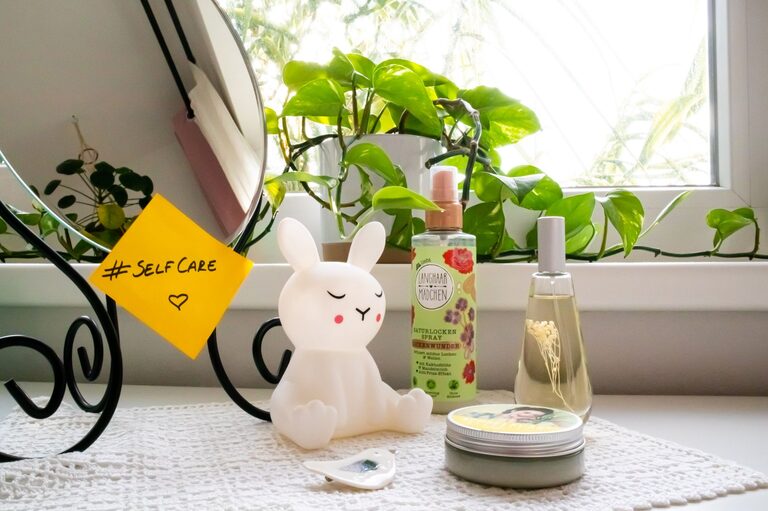
Self-care does not have to involve expensive products, spa visits, or elaborate routines. Often, the most useful forms of self-care are simple activities that help you slow down, recharge, and reconnect with what you need.
A low-cost self-care routine can be adapted to your schedule, energy level, and budget. Whether you have five minutes or a full afternoon, these ideas can help make time at home feel more restful and intentional.
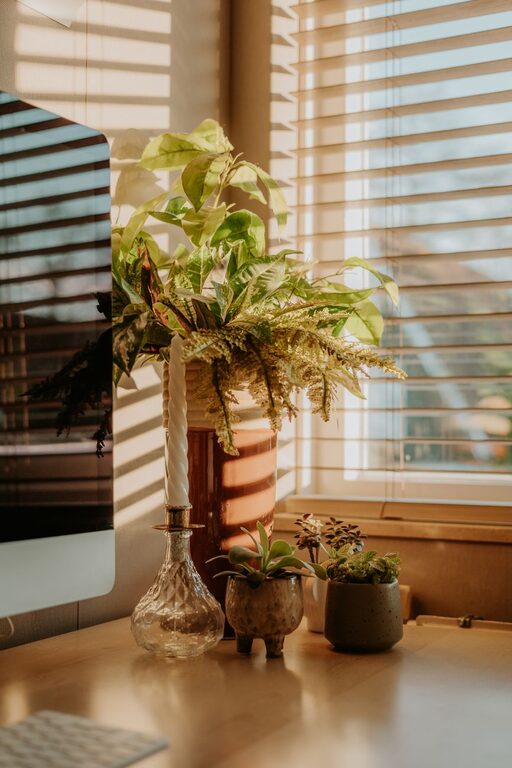
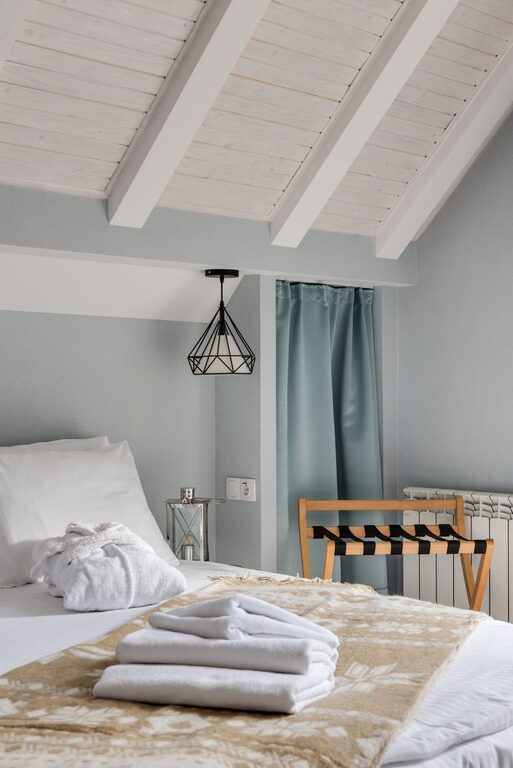
Create a Calming Space
You do not need to redesign an entire room to make your home feel more relaxing. A few small changes can create a comfortable space for reading, resting, or quiet reflection.
Try these simple ideas:
– Clear one small area, such as a chair, bedside table, or corner of a room.
– Use a blanket or pillow to make the space more comfortable.
– Open a window when the weather allows.
– Dim the lights or turn off screens for a while.
– Play calming music or enjoy a few moments of quiet.
– Keep a book, journal, or favorite hobby nearby.
The goal is not to create a perfect space. It is simply to make one area of your home feel welcoming and easy to use when you need a break.
Take a Screen-Free Break
Screens are part of everyday life, but constant notifications and scrolling can make it difficult to relax. A short screen-free break may help you feel more present and give your mind a change of pace.
Start with 10 or 15 minutes. Put your phone on silent, place it in another room, and choose a simple activity. You might make a cup of tea, stretch, organize a drawer, or sit near a window.
If a full break feels difficult, try creating a few screen-free moments during the day. For example, avoid using your phone while eating breakfast or during the last 15 minutes before bed.
Enjoy a Simple At-Home Spa Moment
A relaxing routine can be made from items you already have at home. You might wash your face, take a warm shower, or soak your feet in warm water. Add a clean towel, comfortable clothes, and a few quiet minutes afterward.
Other easy options include:
– Applying moisturizer to your hands or feet.
– Brushing your hair slowly and mindfully.
– Changing into fresh pajamas or comfortable clothing.
– Making a homemade sugar scrub with basic kitchen ingredients, if suitable for your skin.
– Using a warm, damp washcloth on your face.
– Taking time to trim and care for your nails.
Keep the routine simple and comfortable. Self-care should feel pleasant, not like another task to complete.
Make Time for Gentle Movement
Movement can be a helpful way to refresh your body and shift your mood. It does not have to be intense or require special equipment.
Try one of these low-cost options:
– Stretch for five minutes after waking up.
– Walk around your home while listening to music.
– Follow a free beginner-friendly movement video.
– Dance to a few favorite songs.
– Practice simple balance or mobility exercises.
– Do household chores at a comfortable pace.
Listen to your body and choose activities that feel appropriate for you. Even a small amount of movement can break up a long period of sitting and add variety to your day.
Prepare a Comforting Meal or Drink
Cooking can become a form of self-care when you approach it as a creative and satisfying activity rather than a chore. Choose something simple that you enjoy eating.
You could prepare:
– A warm bowl of soup.
– Toast with your favorite toppings.
– A colorful salad.
– Oatmeal with fruit and spices.
– A smoothie using ingredients you already have.
– A cup of tea, coffee, or warm milk.
Take a few moments to sit down and enjoy what you made. Use a plate or mug you like, play quiet music, or eat near a window. Small details can make an ordinary meal feel more special.
Try Journaling
Journaling is a flexible activity that requires little more than paper and a pen. You do not need to write perfectly or fill several pages. A few sentences can be enough.
Use prompts such as:
– What is one thing I need today?
– What went well this week?
– What is something I am looking forward to?
– What can I let go of for now?
– What helps me feel calm?
– What is one small task I can finish today?
You can also make a simple list of things you appreciate, ideas for the future, or activities that help you feel refreshed. If writing does not appeal to you, try drawing, making a collage from old magazines, or creating a list of favorite memories.
Spend Time With a Hobby
Hobbies can provide a welcome break from responsibilities. Choose an activity that feels enjoyable rather than productive.
Low-cost hobbies to try at home include:
– Reading a library book or listening to an audiobook.
– Drawing, coloring, or sketching.
– Baking with ingredients you already have.
– Learning a few phrases in another language.
– Rearranging photos into a scrapbook.
– Solving puzzles or playing cards.
– Caring for houseplants.
– Trying a simple craft project.
Give yourself permission to be a beginner. The purpose is to enjoy the process, not to create something perfect.
Practice a Few Quiet Minutes
Quiet time can help you pause between activities. Sit comfortably and focus on your breathing, the sounds around you, or the feeling of your feet on the floor.
If your thoughts wander, gently bring your attention back to the present moment. You can also try a short gratitude practice by naming three things that made your day a little better.
Other calming options include:
– Listening to relaxing music.
– Watching clouds or observing nature from a window.
– Reading a few pages of a book.
– Repeating a simple, encouraging phrase.
– Taking slow, comfortable breaths.
Even five minutes can create a useful pause in a busy day.
Refresh Your Routine
Sometimes self-care means making everyday tasks easier. A small amount of planning can reduce stress and give you more time for rest.
Consider preparing a few things in advance:
– Set out clothes for the next day.
– Make a short to-do list with only essential tasks.
– Put frequently used items in one convenient place.
– Prepare simple snacks or meals ahead of time.
– Tidy one small area instead of cleaning the entire home.
– Set a regular bedtime reminder.
Avoid turning self-care into a long list of obligations. Choose one or two changes that make your day feel more manageable.
Build a Routine That Fits You
The best self-care routine is one you can realistically enjoy. Start with activities that cost little, require minimal preparation, and match your current energy level.
You might create a short routine such as:
- Put your phone away for 10 minutes.
- Make a warm drink.
- Stretch gently or take a brief walk.
- Write down one thing you need tomorrow.
- Read or listen to music before bed.
Some days, self-care may mean completing a hobby. On other days, it may simply mean resting, eating a comforting meal, or giving yourself permission to do less. There is no single correct approach.
By choosing small, affordable habits that support rest and enjoyment, you can make self-care a regular part of home life without spending much money.
About the Author