
A cozy reading corner can make your home feel more inviting while giving you a dedicated place to slow down and enjoy a good book. You do not need a large room or an expensive makeover. With the right location, comfortable seating, suitable lighting, and a few personal details, almost any unused space can become a relaxing retreat.
Whether you live in a small apartment or a spacious house, the goal is to create a spot that feels comfortable and easy to use. Here is how to design a reading corner that fits your home and your routine.
Choose the Right Location
Start by looking for a quiet area with enough room for a chair or another comfortable seat. The ideal location depends on how you like to read and how much space you have available.
Consider these possibilities:
– A bright corner near a window
– An unused area in a bedroom
– A section of the living room
– A wide hallway or landing
– A space beside a bookshelf
– A corner near a fireplace
– A covered porch or enclosed sunroom
Natural light can make a reading corner feel cheerful during the day. However, avoid placing your seat where direct sunlight creates glare on the pages or makes the area uncomfortably warm. If the space is near a busy walkway, choose furniture that does not block movement through the room.
Before arranging anything, measure the available area. Leave enough space to sit down, stand up, and move around comfortably.
Select Comfortable Seating
The seat is the most important part of a reading corner. It should support your body and encourage you to stay awhile. A stylish chair may look appealing, but comfort should come first.
Good options include:
– An armchair with supportive cushions
– A small recliner
– A cushioned bench
– A chaise lounge
– A floor cushion with back support
– A compact loveseat
– A rocking chair
Try the seat before buying it whenever possible. Check whether the height feels comfortable and whether the back provides enough support. If you prefer to read with your feet raised, choose a chair with room for an ottoman or footstool.
For a small space, look for furniture with a slim frame or rounded shape. A chair with visible legs can make the room feel more open, while a deeper chair may offer extra comfort if you have enough room.
Add Warm and Flexible Lighting
Good lighting helps make reading easier and keeps the corner useful throughout the day. A combination of natural and artificial light usually works best.
A floor lamp beside the chair is a practical choice because it provides focused light without taking up table space. An adjustable reading lamp allows you to direct the light toward your book. Table lamps can also work well if you have a nearby side table.
Keep these lighting tips in mind:
– Place the light beside or slightly behind your reading shoulder.
– Choose a bulb that provides clear, comfortable illumination.
– Avoid harsh glare on the page.
– Use a dimmer if you want to change the mood.
– Add a small lamp or wall light for gentle ambient lighting.
Warm-toned light can create a relaxed atmosphere, especially in the evening. Make sure switches are easy to reach so you do not have to leave your seat whenever you want to adjust the lighting.
Include a Small Side Table
A side table gives you a convenient place for your book, a reading lamp, glasses, or a cup of tea. It does not need to be large. Even a small round table, stool, or narrow shelf can provide useful surface space.
Choose a table that is about the same height as the arm of your chair or slightly lower. This makes it easier to reach items without leaning too far. If your corner is very small, consider a C-shaped table that can slide under or around the chair.
To keep the area tidy, avoid using the table as general storage. Reserve it for a few reading essentials so the corner remains calm and uncluttered.
Make It Comfortable With Textiles
Soft textures can make a reading corner feel warmer and more inviting. Add a throw blanket over the back or arm of the chair for cool evenings. A cushion can provide extra back support while also introducing color or pattern.
An area rug is another useful addition. It helps define the reading corner, especially when the chair is placed in a larger room. A rug can also make hard floors feel softer and reduce noise.
Try combining a few simple textures, such as:
– A woven blanket
– A cotton or linen cushion
– A soft rug
– A fabric footstool
– Light curtains near a window
Choose materials that are easy to clean and comfortable throughout the year. You can change blankets and cushions seasonally without redesigning the entire space.
Organize Your Books
A reading corner feels more complete when your favorite books are close at hand. Storage should be practical, but it can also add character to the room.
You might use:
– A tall bookcase
– A short shelf beside the chair
– Floating wall shelves
– A small rolling cart
– A storage ottoman
– A basket for current books
– A narrow cabinet
Keep your most-read books within easy reach. You can organize them by author, subject, size, or color, depending on what makes the collection easiest for you to use.
If you are working with limited space, avoid filling every shelf. Leaving some open space helps the corner look lighter and gives you room for a small plant, framed print, or decorative object.
Add Personal Details
The finishing touches should reflect what makes you feel relaxed. Personal items can make the space feel like your own rather than a staged display.
Consider adding:
– A favorite framed print
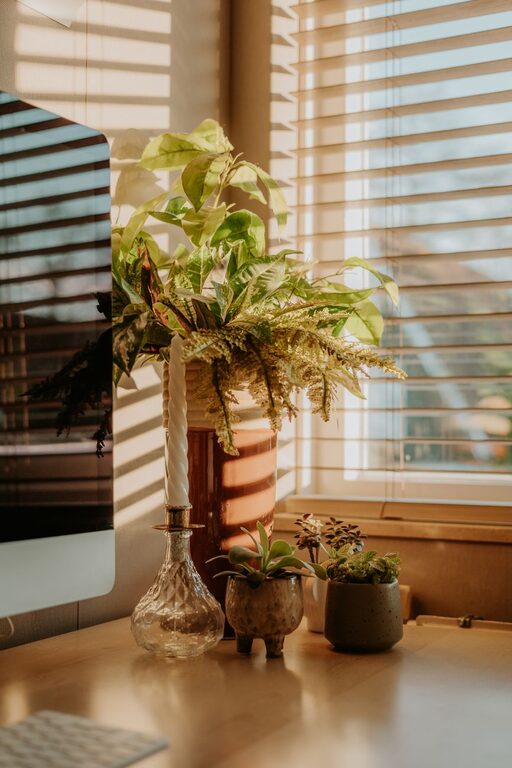
– A small houseplant
– A decorative bookmark
– A meaningful photograph
– A small clock
– A candle or fragrance-free decorative object
– A basket for blankets
Keep decorations simple and avoid placing too many items around the chair. The reading corner should feel restful, not crowded. Choose a few objects that you genuinely enjoy seeing.
If you like listening to music while reading, keep a small speaker nearby. If you prefer quiet, place the corner away from televisions, busy work areas, and frequently used doors.
Use Color to Set the Mood
Color can influence how a reading corner feels. Soft neutrals, warm earth tones, muted greens, and gentle blues often create a calm atmosphere. You can also use a favorite accent color through a cushion, blanket, artwork, or lamp.
The reading corner does not need to match every detail in the rest of the room. However, repeating one or two colors can help the area feel connected to your existing decor.
For a brighter effect, use light colors and natural materials. For a more enclosed and cozy feeling, choose deeper shades and layered textures.
Keep the Corner Easy to Maintain
A reading corner is most useful when it stays comfortable and organized. Give every item a place, and take a moment to reset the area after reading.
A simple maintenance routine might include:
– Returning books to the shelf or basket
– Folding the blanket
– Fluffing the cushions
– Dusting the lamp and side table
– Removing empty cups or unused items
– Checking that the lighting still works well
Avoid adding furniture that makes cleaning difficult. A clear floor and accessible surfaces will help the corner remain inviting over time.
Create a Space You Will Use
The best reading corner is not necessarily the most elaborate one. It is the space that makes it easy for you to pick up a book and settle in. Start with the essentials: a comfortable seat, good lighting, and a place for your books. Then add soft textiles and personal details as your budget and space allow.
With a little planning, an overlooked corner can become one of the most enjoyable parts of your home. Whether you read for a few minutes each morning or spend long evenings with a favorite novel, a dedicated reading spot can make the habit feel even more relaxing.
About the Author