
A calmer evening does not require a complete lifestyle overhaul. Often, a few small changes can make the hours after work or school feel less rushed and more enjoyable. The goal is not to create a perfect schedule, but to build a gentle transition from a busy day to a more restful night.
Simple choices, such as dimming the lights, preparing for tomorrow, or putting your phone away for a short time, can help create a sense of order. Try one or two ideas at first, then adjust your routine based on what feels practical for your home and schedule.
Start by Creating a Clear Transition
Many evenings feel hectic because the day never seems to end. Messages, chores, errands, and unfinished tasks can continue competing for your attention. A short transition ritual can help separate daytime responsibilities from evening activities.
This ritual might include:
– Changing into comfortable clothes
– Washing your hands and face
– Taking a brief walk
– Making a cup of tea or water
– Playing quiet music
– Spending five minutes tidying one area
The activity itself matters less than the message it sends: the workday or active part of the day is ending, and a slower pace is beginning.
If you arrive home feeling distracted, avoid immediately starting a long list of chores. Give yourself a few minutes to settle first. This small pause can make the rest of the evening feel more intentional.
Reduce Evening Decisions
Too many decisions can make a simple evening feel tiring. You can make things easier by deciding a few details earlier in the day.
For example, consider preparing:
– A simple dinner plan
– Comfortable clothes for the evening
– Items needed for the next morning
– A short list of important tasks
– A general time to begin winding down
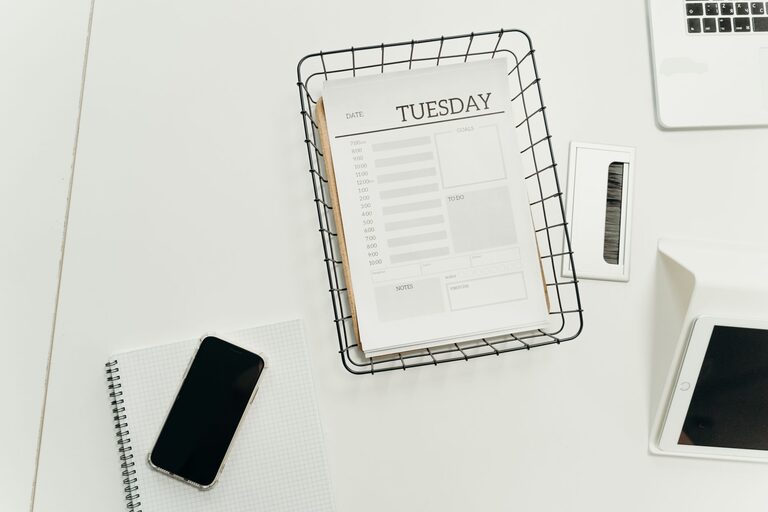
Planning does not need to be complicated. A note on your phone, a small paper list, or a weekly meal outline may be enough. The aim is to remove unnecessary choices, not to control every minute.
You can also create a few dependable options for busy nights. Keep two or three easy meals in rotation, choose a regular place for keys, and store commonly used items where they are easy to find. Familiar systems reduce the amount of energy spent on small decisions.
Give Your Home a Gentle Reset
A cluttered room can make it harder to feel finished with the day. You do not need to clean the entire home each evening. A short reset can make the space feel more comfortable without turning relaxation into another task.
Set a timer for five or ten minutes and focus on the areas you use most. You might:
– Clear the kitchen counter
– Put blankets and cushions back in place
– Load or stack dishes
– Gather items that belong in another room
– Prepare a comfortable spot for reading or relaxing
When the timer ends, stop if you want to. The purpose is to create a little breathing room, not to complete every household job.
It may also help to choose a “closing task” that signals the end of chores. This could be wiping the table, turning off the kitchen light, or putting cleaning supplies away. Once that task is complete, move on to a more restful activity.
Adjust the Lighting and Sound
The atmosphere of a room can influence how an evening feels. Bright overhead lights and constant background noise may keep the space feeling active. Softer lighting and quieter sounds can make the transition to rest feel more natural.
Try using lamps instead of bright ceiling lights when possible. You can also close curtains, lower screen brightness, or turn off lights in rooms you are not using.
Sound matters, too. Consider:
– Lowering the volume on television or music
– Choosing calm background sounds
– Turning off unnecessary notifications
– Keeping one room quiet for part of the evening
These changes are simple, but they can help your home feel less stimulating. You do not need complete silence. Even a modest reduction in noise can make a room feel more peaceful.
Create a Short Screen Boundary
Screens are a regular part of modern life, and there is no need to remove them completely from your evening. However, setting a small boundary can help you use them more deliberately.
Instead of aiming for a strict rule, choose one manageable change. For example:
– Keep your phone away during dinner
– Turn off nonessential notifications
– Leave your phone in another room for 20 minutes
– Avoid checking work messages after a set time
– Watch one planned program instead of browsing endlessly
A screen boundary works best when it is replaced with something appealing. You might read a few pages, listen to music, stretch gently, work on a hobby, or talk with someone at home.
If you use your phone as a timer or music player, place it across the room rather than keeping it in your hand. A little distance can make it easier to avoid automatic checking.
Choose One Quiet Activity
A calm evening does not have to be empty. Many people enjoy having one low-pressure activity that helps them slow down without requiring intense concentration.
Good options include:
– Reading a book or magazine
– Drawing or coloring
– Writing in a journal
– Folding laundry while listening to a podcast
– Doing a puzzle
– Preparing something for the next day
– Sitting with a warm drink
Choose an activity that feels pleasant rather than productive. If every part of the evening is focused on improvement or achievement, relaxation can begin to feel like another responsibility.
You can also create a small comfort basket with a book, notebook, pen, headphones, or other items you enjoy. Keeping everything together makes it easier to begin a quiet activity without searching for supplies.
Prepare Tomorrow Before You Relax
A few minutes of preparation can reduce morning stress and make it easier to enjoy the rest of the evening. Keep this step brief so it does not become a second work session.
You might:
– Check the next day’s schedule
– Pack a bag
– Set out clothes
– Place keys near the door
– Write down one important reminder
– Clear a space for breakfast
Try to focus only on what will genuinely help tomorrow. You do not need to organize your entire calendar or solve every upcoming problem at night.
Once the preparation is complete, consider writing down any remaining thoughts. A simple list can help you remember tasks without mentally repeating them while you relax.
Keep the Routine Flexible
The best evening routine is one you can use on ordinary days, not just ideal ones. Some evenings will be busy, social, or unpredictable. A flexible routine allows you to maintain a sense of calm without feeling disappointed when plans change.
Create a shorter version for demanding days. It might include:
- Put away a few items.
- Prepare one thing for tomorrow.
- Spend ten minutes without notifications.
- Choose a quiet activity before bed.
On calmer days, you can take more time for cooking, reading, hobbies, or conversation. Think of your routine as a collection of helpful choices rather than a strict list of rules.
Begin With One Small Change
Trying to change everything at once can make an evening routine feel like a project. Instead, choose one adjustment that seems easy to repeat. You might begin by dimming the lights, setting a short phone boundary, or preparing your clothes before relaxing.
After a week, notice what feels useful. Keep the habits that make your evening easier and let go of those that add pressure. A calmer routine is built through small, repeatable actions that fit your real life.
The most important part is not how many steps you complete. It is creating a clear, comfortable ending to the day—one that gives you room to pause, enjoy your surroundings, and move into tomorrow with a little more ease.
About the Author