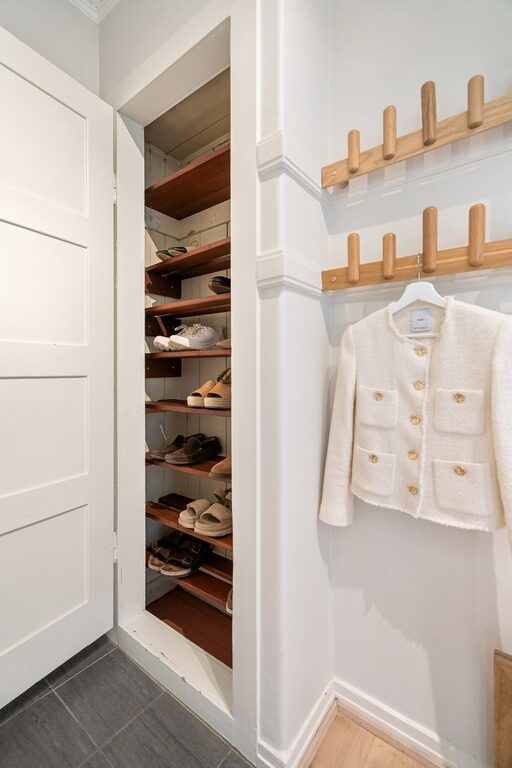
Your entryway is the first area you see when you come home, so it should feel welcoming and easy to use. However, it can quickly become a drop zone for shoes, coats, bags, mail, and other everyday items.
The good news is that you do not need a large space or expensive furniture to create an organized entryway. With a few simple systems, you can make the area cleaner, more practical, and easier to maintain.
Start With a Quick Declutter
Before adding baskets, hooks, or shelves, take everything out of the entryway. Sort each item into three groups:
– Keep in the entryway
– Move to another room
– Donate, recycle, or discard
Be selective about what belongs near the door. Items used every day should stay within easy reach. Items used only occasionally may be better stored in a closet, bedroom, or storage area.
This first step helps prevent clutter from being hidden inside new containers. It also gives you a clearer idea of how much storage you actually need.
Create a Home for Everyday Items
The easiest way to keep an entryway organized is to give each frequently used item a specific place. When everything has a home, it becomes easier to put things away instead of leaving them on the floor or a nearby table.
Consider creating designated spaces for:
– Keys
– Wallets
– Bags
– Shoes
– Coats and jackets
– Hats and umbrellas
– Reusable shopping bags
– Pet leashes
Choose storage that matches your routine. For example, if you usually carry a bag and keys when leaving, place hooks and a small tray near the door. If family members share the space, assign each person a hook, basket, or shelf.
Use Wall Space Wisely
When floor space is limited, look upward. Vertical storage can make a small entryway much more useful without making it feel crowded.
Add Hooks
Hooks are one of the simplest entryway storage solutions. Install them at a comfortable height for adults, or add lower hooks for children. Use them for coats, backpacks, hats, and everyday bags.
A row of individual hooks can make it easier to keep items separated. If you prefer a decorative look, choose hooks that match the room’s style, such as wood, metal, or simple white designs.
Install a Shelf
A narrow shelf can hold small baskets, decorative items, or seasonal accessories. Place it above the hooks to use the wall efficiently. Make sure the shelf is securely installed and does not interfere with doors or walkways.
For a small entryway, choose a shallow shelf so the area remains open and easy to move through.
Keep Shoes Under Control
Shoes are often one of the biggest sources of entryway clutter. A simple shoe storage system can keep pairs together and protect the floor.
Useful options include:
– A small shoe rack
– A bench with lower storage
– Open cubbies
– Stackable shoe boxes
– A basket for slippers
– A tray for wet or muddy shoes
Only keep the shoes you wear regularly near the door. Store special occasion shoes and seasonal footwear elsewhere. You may also want to create a simple rule, such as keeping only one or two pairs per person in the entryway.
A washable mat or shoe tray can help catch dirt and moisture, especially during rainy or snowy weather.
Add a Small Catchall Tray
A small tray provides a convenient place for keys, sunglasses, and other small items. Without a designated spot, these objects often end up on a table, the floor, or in a coat pocket.
Choose a tray that is large enough for daily essentials but not so large that it becomes a place to collect receipts and loose change. Empty it regularly to keep the system useful.
If several people use the entryway, consider using separate small trays or assigning each person a section.
Organize Mail and Paperwork
Mail can quickly make an entryway look untidy. Create a simple system for handling it as soon as it enters your home.
A wall-mounted file holder or small basket can be divided into categories such as:
– To read
– To respond to
– To file
– To recycle
Sort mail regularly rather than allowing it to pile up. Recycle unwanted envelopes and advertisements as soon as possible. Important papers should be moved to a more secure filing location instead of staying in the entryway.
Use Baskets for Flexible Storage
Baskets are useful because they hide clutter while keeping items accessible. They work especially well for scarves, gloves, hats, reusable bags, and pet supplies.
Choose one basket for each category instead of placing everything into one large container. Smaller categories are easier to find and simpler to maintain.
Labeling baskets can also help, especially in a busy household. Clear labels make it obvious where items belong and encourage everyone to return them to the right place.
Consider a Storage Bench
A storage bench can provide seating and hidden storage at the same time. It gives you a place to sit while putting on shoes and can hold items such as boots, bags, or seasonal accessories.
If you do not have room for a full bench, try a small stool or compact seat beside a shoe rack. Keep the furniture proportional to the entryway so it does not block the door or narrow the walking path.
Choose a bench with a lid, drawers, or open cubbies based on your needs. Open storage is convenient for daily items, while closed storage creates a cleaner appearance.
Make the Space Easy to Clean
An organized entryway should also be easy to maintain. Choose durable materials that can handle daily use, dirt, and moisture.
Helpful choices include:
– Washable rugs
– Wipeable storage bins
– Durable hooks
– Easy-to-clean flooring
– Removable tray liners
– Furniture with smooth surfaces
Keep a small cleaning cloth or handheld brush nearby if dirt frequently collects near the door. Regularly sweep or vacuum the floor, and clean the shoe tray when needed.
Set a Simple Maintenance Routine
Even the best organization system will need occasional attention. A short routine can prevent clutter from building up again.
Try these habits:
– Put keys and bags away as soon as you come home.
– Return shoes to the rack or closet.
– Sort mail every few days.
– Remove seasonal items when the weather changes.
– Empty catchall trays once a week.
– Donate items that are no longer being used.
– Check baskets and shelves for unnecessary clutter.
You can also use a five-minute reset at the end of each day. Return loose items to their designated places, straighten coats, and clear the floor. Small daily efforts are easier than a large cleanup later.
Keep the Design Simple
Your entryway should be practical first, but it can still reflect your personal style. Use a few thoughtful details, such as a mirror, plant, framed print, or small lamp.
Avoid adding too many decorations or storage pieces. An entryway feels more welcoming when it has clear surfaces and enough open space to move comfortably.
The best setup is one that fits your household and daily habits. Start with the items that cause the most clutter, choose storage that makes them easy to put away, and adjust the system as your needs change. With a few simple choices, even a small entryway can become tidy, useful, and inviting.
About the Author