A bedroom refresh does not require a complete renovation or a large shopping trip. With a few thoughtful changes, you can make the space feel cleaner, calmer, and more comfortable while keeping costs under control.
The key is to focus on changes that have a noticeable effect. Fresh bedding, better lighting, a more organized surface, or a rearranged furniture layout can transform the room without replacing everything. Start with what you already have, then add a few affordable improvements where they will make the biggest difference.
Start With a Simple Plan
Before buying anything, look at your bedroom with fresh eyes. Notice what feels cluttered, outdated, uncomfortable, or unfinished. Then choose one overall direction for the refresh.
You might want the room to feel:
– Calm and restful
– Bright and cheerful
– Warm and cozy
– Clean and simple
– More organized and spacious
Choosing a general mood helps you avoid impulse purchases that do not work well together. Pick two or three colors to guide your updates. For example, white, soft blue, and natural wood can create a relaxed look, while cream, green, and warm brown can make the room feel inviting.
Set a spending limit before you begin. Divide the amount into categories such as bedding, lighting, storage, and decorative items. Leave a small portion available for unexpected finds or useful finishing touches.
Declutter Before You Decorate
One of the least expensive ways to refresh a bedroom is to remove items that no longer belong there. Clutter can make even a nicely decorated room feel busy.
Start with visible surfaces:
– Clear the nightstand
– Remove clothing from the floor
– Sort items on dressers and shelves
– Take down decorations you no longer enjoy
– Put away items that belong in other rooms
Use three groups as you sort: keep, donate, and relocate. Be realistic about what you use and enjoy. You do not need to get rid of everything, but reducing excess makes the room feel more open.
After decluttering, clean the room thoroughly. Dust furniture, wipe baseboards, vacuum under the bed, and wash curtains if the care instructions allow it. Clean surfaces and fresh air can make a surprisingly large difference.
Rearrange the Furniture
A new furniture layout can change the entire feeling of a bedroom at no cost. Try moving the bed to a different wall or shifting smaller pieces to improve movement through the room.
Keep these points in mind:
– Make sure doors and drawers open easily
– Leave clear paths around the bed
– Place the bed where it feels comfortable and practical
– Keep frequently used items within easy reach
– Avoid blocking windows or heating vents
Take a quick photo before moving anything. This gives you a reference if you decide to return to the original arrangement. You can also sketch a few layout ideas on paper before lifting heavy furniture.
If the room feels crowded, consider removing one small piece. A chair, extra table, or unused shelf may be taking up valuable space. Sometimes having fewer items makes the remaining furniture look more intentional.
Refresh the Bed First
The bed is usually the largest feature in a bedroom, so updating it can have an immediate visual impact. You do not need a completely new bedding set. Instead, replace or add one layer at a time.
Affordable options include:
– A new duvet cover
– Two standard pillow covers
– A lightweight throw blanket
– A washable quilt
– A simple bed skirt
– Decorative pillows in a new color
If your existing sheets are in good condition, keep them and focus on the top layer. A new duvet cover can create a different look without the cost of replacing the entire set.
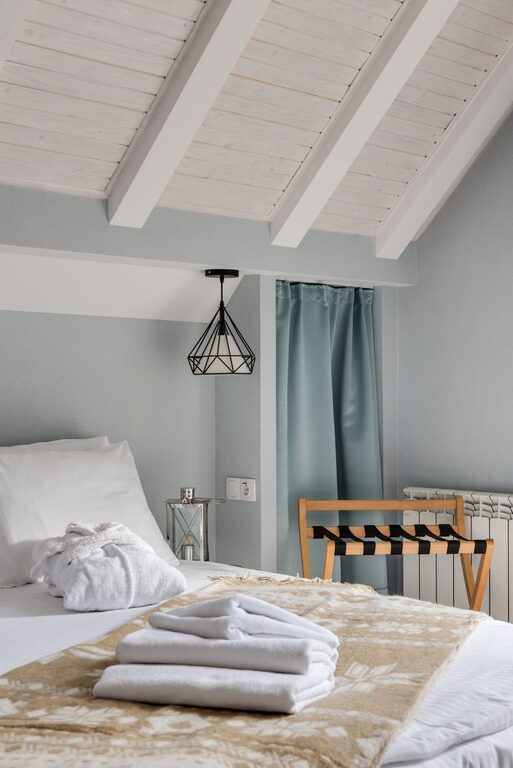
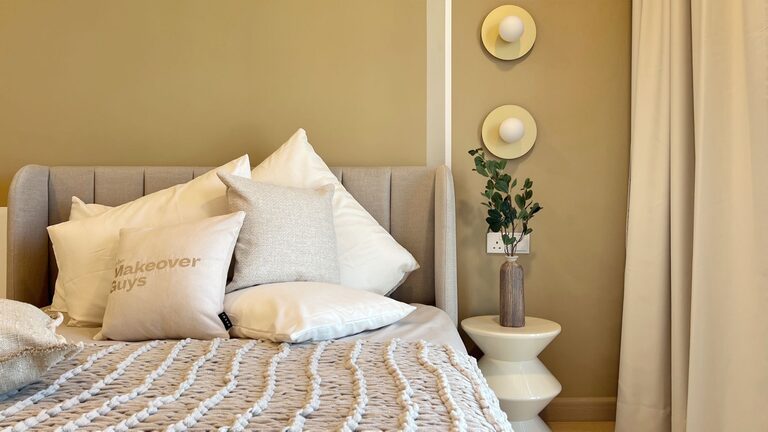
Choose bedding that is comfortable and easy to care for. Neutral colors are flexible, while a subtle pattern or textured fabric can add interest. To keep the bed from looking messy, use a limited number of pillows and fold a throw neatly at the foot of the bed.
Improve the Lighting
Lighting affects how a bedroom looks and feels, but small changes can be affordable. Start by using the bulbs you already have more effectively. Warm white bulbs can create a softer, more relaxing atmosphere than very bright, cool-toned bulbs.
Consider adding:
– A small table lamp
– A floor lamp from a secondhand store
– Battery-powered string lights
– A plug-in wall light
– A dimmable bulb
– A simple shade for an existing lamp
Use more than one light source when possible. Overhead lighting is useful for cleaning and getting dressed, but a bedside lamp or smaller accent light creates a more comfortable evening setting.
Check that lamps are placed safely and that cords are secured along walls or furniture. Avoid placing lights where fabric or other materials could become hot.
Add Affordable Wall Decor
Blank walls can make a room feel unfinished, but filling them does not have to be expensive. Create a simple focal point with items you already own or can find at a low cost.
Ideas include:
– Framed postcards or calendars
– A collection of small prints
– A fabric wall hanging
– A mirror from a thrift store
– A shelf with a few favorite objects
– A large piece of removable wallpaper
– A group of personal photographs
For a balanced arrangement, place artwork at a comfortable viewing height and use similar spacing between frames. You can test a layout by cutting paper to the size of each frame and attaching the pieces to the wall with removable tape.
If you rent your home, choose damage-free hanging methods that match the weight of the item. Avoid using heavy objects with products not designed to support them.
Shop Your Home and Secondhand Stores
Before purchasing new decorations, look through other rooms in your home. A lamp, basket, vase, frame, or small table may work better in the bedroom.
Secondhand stores, yard sales, and local resale listings can also be useful for finding:
– Solid wood nightstands
– Mirrors
– Lamps
– Baskets
– Picture frames
– Small benches
– Decorative containers
Look for good structure rather than perfect color. Many items can be refreshed with cleaning, new hardware, or a coat of paint. For upholstered furniture, inspect the fabric and frame carefully before bringing it home.
When shopping, keep a list of what you need and measure your available space. This helps prevent buying attractive items that do not fit or serve a purpose.
Make Small Do-It-Yourself Updates
Simple projects can add personality without requiring advanced skills. Replace old drawer pulls with new ones, cover a plain lampshade with a removable fabric wrap, or paint a small piece of furniture in a fresh color.
You can also create inexpensive storage by:
– Using baskets for blankets
– Placing small boxes inside drawers
– Adding hooks behind a door
– Rolling towels or clothing in open bins
– Using a tray to organize bedside items
If you paint, protect the floor and allow each coat to dry fully. Choose a small project first so you can test the color and finish before changing larger pieces.
Bring in Texture and Nature
Texture makes a bedroom feel more comfortable and layered. Add a soft rug, woven basket, cotton blanket, or fabric-covered cushion. You do not need many pieces; one or two contrasting textures may be enough.
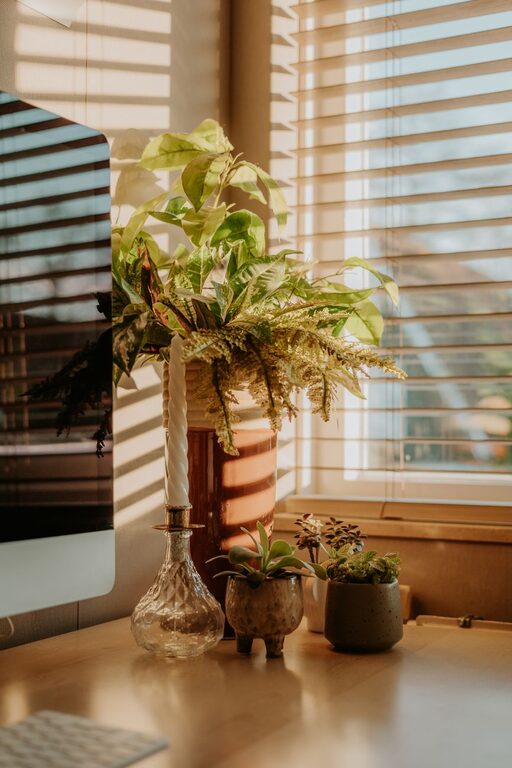
Plants can also make a room feel fresh. Choose varieties that suit the amount of light available and place them where they will not be knocked over. If caring for live plants is inconvenient, a small artificial plant or a vase of dried branches can provide a similar decorative effect.
Finish With a Weekly Reset
Once the room is refreshed, create a simple routine to keep it looking its best. Spend a few minutes each week putting away clothing, clearing surfaces, and opening the curtains for natural light.
A quick reset might include:
- Make the bed
- Return items to their proper places
- Empty small trash bins
- Wipe the nightstand
- Remove cups, packaging, and laundry
- Check whether anything has started to collect on the floor
A budget-friendly bedroom refresh works best when it improves both appearance and daily comfort. By decluttering first, rearranging what you own, and choosing a few high-impact updates, you can create a welcoming space without overspending.
About the Author