A home workspace should support your daily routine without feeling crowded or stressful. Whether you work from home, study, manage household tasks, or enjoy creative hobbies, a few thoughtful changes can make the area more comfortable and inviting.
A relaxing workspace does not need expensive furniture or a large room. The goal is to create a setting that feels organized, comfortable, and pleasant to use. With the right layout, lighting, colors, and storage, even a small corner can become a peaceful place to focus.
Choose the Right Location
Start by choosing a location that fits the way you work. A quiet room is helpful, but you can also create a functional workspace in a bedroom corner, living room, hallway nook, or dining area.
Consider these questions:
– Is the area bright enough during the day?
– Can you work there without frequent interruptions?
– Is there enough space for your desk and chair?
– Can you keep work items separate from household clutter?
– Are electrical outlets nearby?
If you share your home with others, try to choose a spot with fewer distractions. A folding screen, open bookshelf, or curtain can help define the workspace without making permanent changes.
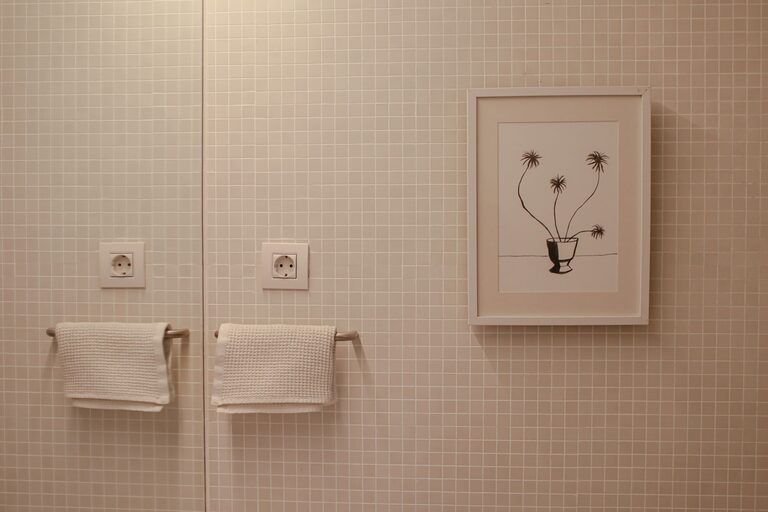
It is also useful to think about what you see while working. A blank wall, window, plant, or simple piece of artwork may feel more calming than a view of laundry, dishes, or busy storage areas.
Select Comfortable, Practical Furniture
A comfortable workspace begins with furniture that suits your body and your routine. Choose a desk with enough room for your main equipment, a notebook, and a drink. A surface that is too small can quickly feel crowded, while an oversized desk may dominate the room.
Look for a chair that provides comfortable support and allows you to sit with your feet resting on the floor. If your chair is not adjustable, a small cushion or footrest can help improve comfort.
Keep frequently used items within easy reach, but avoid filling the entire desk surface. A simple setup might include:
– A computer or laptop
– A notebook and pen
– A desk lamp
– A small tray for everyday items
– A water bottle or mug
– One or two decorative objects
If you work in a small space, consider a wall-mounted desk, narrow console table, or compact writing desk. Storage baskets can be placed underneath, while floating shelves can hold supplies without taking up floor space.
Use Soft, Balanced Lighting
Lighting has a major effect on how a room feels. Harsh overhead lighting can make a workspace feel cold, while a dark area may be tiring to use. Aim for a mix of natural and artificial light.
Place the desk near a window if possible, but avoid positioning the screen directly in front of or behind the window. Direct light can create glare or make it difficult to see the screen clearly. A side position is often a good choice.
Add a desk lamp for focused light during cloudy days or evening work. Choose a lamp with an adjustable shade so you can direct light where it is needed. A warm or neutral bulb can create a softer atmosphere than a very bright, cool bulb.
You can also add gentle ambient lighting, such as:
– A small floor lamp
– A wall light
– A shaded table lamp
– A string of simple decorative lights
Keep cords organized with clips, ties, or a cable box. Neat cables make the space look calmer and reduce visual distractions.
Keep the Desk Clear
A tidy desk can make it easier to begin a task. You do not need to remove every object, but each item should have a purpose or a place.
Begin by removing anything that does not belong in the workspace. Then group similar items together. Pens can go in one container, papers in a folder, and chargers in a small box or drawer.
Try a simple end-of-day reset:
- Put loose papers away.
- Return supplies to their storage areas.
- Clear empty cups and food wrappers.
- Wipe the desk surface.
- Write down the next task for the following day.
This routine takes only a few minutes and helps prevent clutter from building up. It also creates a clear transition between work time and personal time.
Add Natural Elements
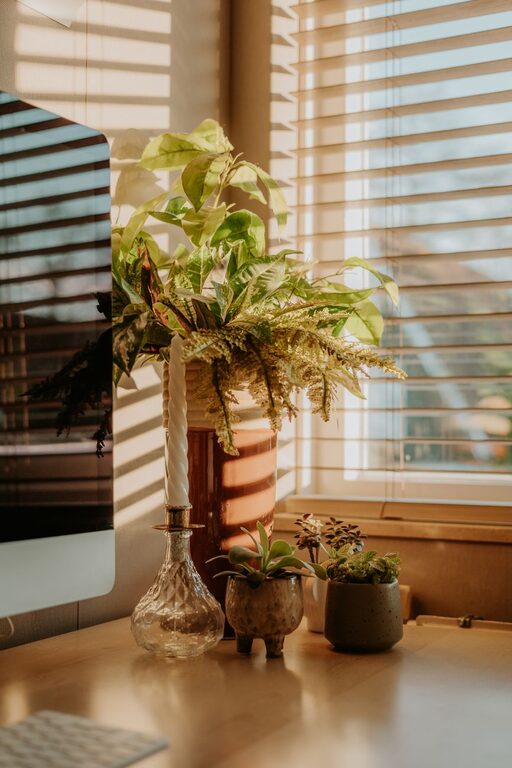
Natural details can make a workspace feel warmer and more welcoming. A small plant is an easy option, but it is not the only choice. You can also use a vase of flowers, a wooden pencil holder, a woven basket, or artwork inspired by nature.
Choose plants that match the available light and the amount of care you want to provide. If real plants are not practical, high-quality artificial plants or nature photographs can add color without requiring maintenance.
Natural materials can soften the look of modern office equipment. Try adding:
– A wooden tray
– A cotton or linen cushion
– A woven storage basket
– A ceramic cup
– A small stone or glass decoration
Use these elements sparingly. A few carefully chosen pieces will usually feel more peaceful than a large collection of accessories.
Choose Calming Colors
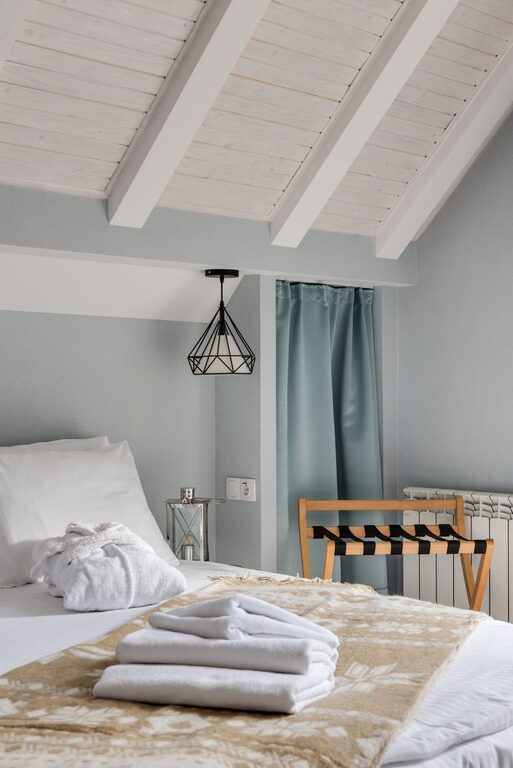
Color can influence the mood of a room. Soft neutrals, muted greens, gentle blues, warm whites, and earthy tones often create a calm background. You do not need to repaint the entire room to introduce these colors.
Instead, add color through:
– A desk mat
– Curtains or blinds
– A chair cushion
– Wall art
– Storage boxes
– A small rug
If the room already contains strong colors, balance them with simple accessories in neutral shades. A consistent color palette can help the workspace feel intentional and less visually busy.
Create Simple Storage Systems
Good storage makes it easier to keep a workspace relaxing. Use storage that matches the items you actually need rather than buying containers first and deciding what to store later.
For papers, use labeled folders or magazine holders. For small supplies, try drawer organizers, shallow boxes, or small trays. A shelf can hold books, notebooks, and decorative items while keeping the desk clear.
Store less frequently used items outside the immediate workspace. This might include extra paper, cables, craft supplies, or reference materials. Keeping only daily essentials nearby reduces the number of decisions you need to make when starting a task.
Include Personal Details
A relaxing workspace should feel like your own. Add a few personal details that make the area pleasant without becoming distracting. This could be a framed photograph, a favorite print, a small collection, or a meaningful object.
You can also create a small inspiration board with notes, sketches, postcards, or images. Keep it simple and update it occasionally so it remains useful rather than becoming another source of clutter.
Comforting details matter, too. A soft throw, a pleasant room scent, or a favorite mug can make the space feel more inviting. Choose items that support your routine and do not require constant attention.
Make Room for Breaks
A relaxing workspace should not encourage you to stay in one position all day. If space allows, add a nearby place to stand, stretch, or read for a few minutes. Even a clear area beside the desk can be useful.
Keep a few easy break activities available, such as a book, sketchpad, or small puzzle. Step away from the desk when changing tasks, and use short pauses to refresh the room by opening a window or adjusting the lighting.
Most importantly, make the workspace easy to reset. When the area is comfortable, organized, and pleasant to return to, it can support both focus and a calmer daily routine.
About the Author