A minimalist bathroom is more than a room with fewer items. It is a space designed around simplicity, function, and calm. By removing unnecessary clutter and choosing practical, attractive essentials, you can make even a small bathroom feel more open and comfortable.
The goal is not to create a bare or unwelcoming room. Instead, a minimalist bathroom should include everything you need while avoiding visual noise. With thoughtful planning, simple materials, and smart storage, you can create a setup that is easy to use and maintain.
Start With a Clear-Out
Before buying new containers, shelves, or accessories, take everything out of the bathroom cabinets, drawers, and countertop. Seeing all your items in one place makes it easier to decide what belongs in the room.
Sort your belongings into three groups:
- Items you use regularly
- Items you use occasionally
- Items that are expired, damaged, or no longer needed
Keep daily essentials within easy reach, such as hand soap, a toothbrush, and the products you use most often. Store occasional items in a cabinet or drawer, and remove anything that does not support your current routine.
Avoid keeping multiple versions of the same product unless you genuinely use them. Open bottles, unused samples, and old accessories can quickly make a bathroom feel crowded.
Choose a Simple Color Palette
A limited color palette can make a bathroom feel more peaceful and spacious. Neutral shades such as white, cream, beige, soft gray, and light wood work well in minimalist spaces.
You do not need to use only one color. Choose two or three main shades and repeat them throughout the room. For example, you might combine:
- White walls with light wood accessories
- Soft gray tiles with black hardware
- Warm beige textiles with cream storage containers
If you want more personality, add one subtle accent color through a plant pot, towel, artwork, or small decorative item. Keeping accents limited helps maintain a clean appearance.
Focus on Functional Fixtures
Minimalist design works best when every major feature has a clear purpose. Look at your sink, mirror, lighting, shower area, and toilet with both style and function in mind.
A wall-mounted or compact sink can create more visible floor space in a small bathroom. A frameless or simple glass shower screen can also make the room feel less divided.
Choose fixtures with clean lines and easy-to-clean surfaces. Avoid adding decorative details that collect dust or make routine cleaning more difficult. Simple shapes tend to remain attractive for longer and are easier to coordinate with other elements.
If you are updating hardware, select one finish and use it consistently. Brushed nickel, chrome, matte black, and brass can all work well, but mixing too many finishes may make the room look busy.
Use Smart Storage
Good storage is one of the most important parts of a minimalist bathroom. The room will not feel minimal if everyday products are spread across the countertop.
Use a combination of visible and concealed storage:
Keep the Countertop Mostly Clear
Limit countertop items to the essentials. A soap dispenser, toothbrush holder, and one small tray may be enough for most bathrooms. A clear surface makes cleaning faster and creates a calmer visual impression.
Organize Drawers by Routine
Group similar items together instead of storing everything by product type. For example, create one section for morning essentials, another for hair care, and another for personal care items.
Small dividers or shallow containers can prevent drawers from becoming mixed and difficult to use. Choose organizers that fit the drawer closely so that space is not wasted.
Make Use of Vertical Space
Tall cabinets, wall shelves, and over-the-door organizers can provide useful storage without taking up much floor area. Keep the most attractive or frequently used items at eye level and place less-used items higher or lower.
Open shelving can look stylish, but it works best when it holds only a few neatly arranged items. If you prefer a cleaner appearance, use closed cabinets or baskets.
Select Everyday Essentials Carefully
A minimalist bathroom should contain useful items that support your routine. Quality matters more than quantity, especially for products and accessories you use every day.
Consider choosing:
- One durable bath towel set in a coordinated color
- A refillable soap dispenser
- A simple, easy-to-clean toothbrush holder
- A washable bath mat
- A small wastebasket with a lid
- One practical laundry hamper
When possible, buy products with simple packaging or transfer frequently used items into matching containers. This can reduce visual clutter, but make sure every container is clearly labeled when necessary.
Avoid purchasing decorative accessories simply to fill empty space. An open area can be useful and attractive on its own.
Add Texture Without Adding Clutter
Minimalist rooms can sometimes feel too plain if they contain only hard, smooth surfaces. Add comfort with a few carefully selected textures.
Soft towels, a woven basket, a wooden stool, or a textured bath mat can make the bathroom feel warmer. Natural materials such as wood, cotton, stone, and bamboo are especially effective in neutral spaces.
Use texture in moderation. One or two contrasting materials are usually enough to add interest without making the room feel crowded.
Improve the Lighting
Lighting affects both the function and atmosphere of a bathroom. If possible, make the most of natural light by keeping windows clear and using simple window coverings.
For artificial lighting, aim for a combination of general and task lighting. A ceiling fixture can illuminate the room, while lights near the mirror help with grooming tasks.
Choose fixtures with simple forms that match the rest of the room. Soft, even light usually creates a more comfortable atmosphere than harsh, overly bright lighting. Make sure all fixtures are suitable for use in bathroom spaces and installed appropriately.
Bring in One or Two Natural Elements
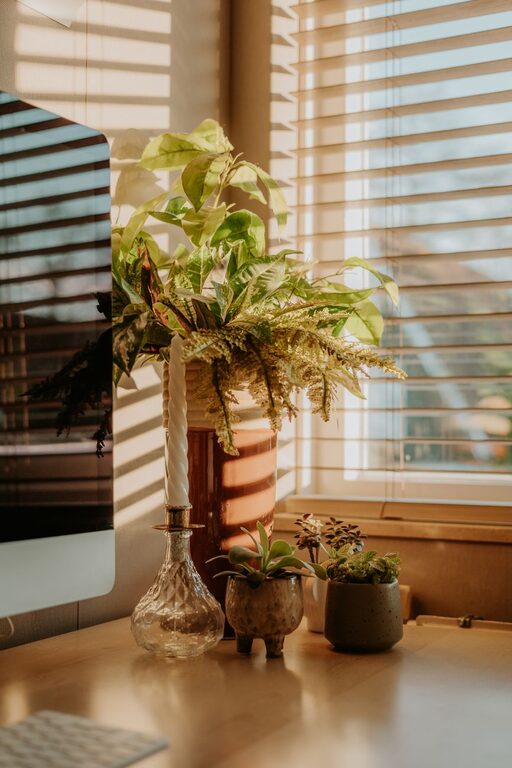
A small plant can add color and life to a minimalist bathroom. Choose a variety that suits the room’s light and humidity conditions. If the bathroom has limited natural light, a low-maintenance option or a realistic artificial plant may be more practical.
Other natural details can include a wooden tray, a stone soap dish, or a woven storage basket. These elements help soften the room while keeping the overall design simple.
Avoid filling every corner with accessories. One well-placed plant or natural accent often has more impact than several small decorations.
Create a Simple Cleaning Routine
Minimalism is easier to maintain when cleaning is quick and consistent. Keep basic cleaning supplies together in one accessible location, but store them out of sight when possible.
A simple routine might include:
- Wiping the sink and countertop daily
- Hanging towels so they can dry properly
- Rinsing the shower area after use
- Cleaning the toilet and floor regularly
- Checking cabinets once a month for unused or expired items
Because a minimalist bathroom contains fewer objects, there are fewer surfaces to move and clean. Return items to their designated places after use to prevent clutter from building up again.
Finish With Intentional Details
Once the main setup is complete, look around the bathroom and ask whether each item is useful, attractive, or both. Remove anything that feels unnecessary or out of place.
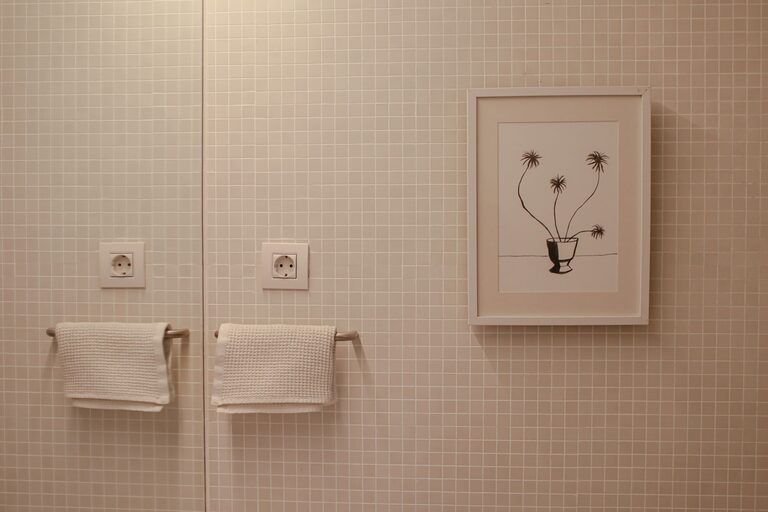
A minimalist bathroom does not need to be completely empty. A framed print, a small mirror, or a neatly folded stack of towels can add character. The key is to choose details intentionally rather than adding decorations without a plan.
By combining smart storage, a restrained color palette, functional fixtures, and a simple maintenance routine, you can create a bathroom that feels clean, comfortable, and easy to use. Minimalist design is ultimately about making space for what matters while reducing the distractions that do not.
About the Author