
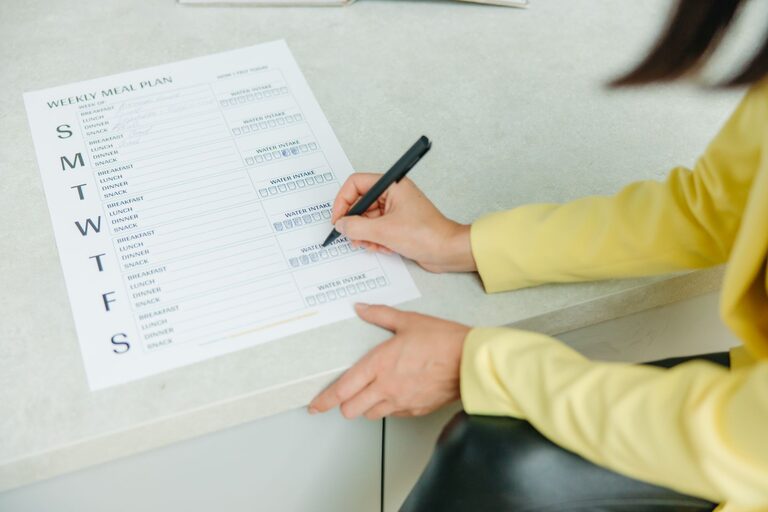
Planning meals for the week does not have to be complicated. A simple meal plan can help you decide what to cook, organize your grocery list, save time, and make busy days easier. The goal is not to create a perfect schedule. Instead, it is to build a practical plan that fits your routines, preferences, and available time.
With a few basic steps, you can create a weekly meal plan that is flexible and easy to follow.
Start With Your Schedule
Before choosing meals, look at the week ahead. Consider work hours, school activities, appointments, travel, and other plans that may affect when you can cook.
Some days may allow time for a longer recipe, while others may require something quick or ready in advance. Matching meals to your schedule makes the plan more realistic.
Write down the days of the week and note how much time you expect to have for cooking. You can use a notebook, calendar, spreadsheet, or meal-planning app.
For example:
– Monday: 30 minutes available
– Tuesday: Busy evening
– Wednesday: Time for cooking
– Thursday: Leftover night
– Friday: Simple meal
– Saturday: Flexible schedule
– Sunday: Meal preparation
This overview gives you a useful starting point.
Choose a Simple Meal Structure
You do not need to plan every meal in detail if that feels overwhelming. Start by planning dinners, then add breakfasts, lunches, and snacks as needed.
A basic weekly structure might include:
– Three or four planned dinners
– One leftovers night
– One quick meal night
– One flexible or takeout night
– Simple breakfast and lunch options
Planning fewer meals can make it easier to adjust when plans change. It also gives you room to use leftovers and ingredients in different ways.
For example, roasted vegetables prepared for dinner can be used in a wrap the next day. Cooked chicken, beans, or grains can also work in salads, bowls, sandwiches, or soups.
Pick Familiar and Flexible Recipes
A weekly meal plan does not need to be filled with new recipes. Familiar meals are often easier to prepare and more likely to fit your schedule.
Choose recipes that:
– Use ingredients you already enjoy
– Have straightforward instructions
– Match your cooking time
– Can be stored or reheated
– Share ingredients with other meals
– Allow easy substitutions
It can help to create a list of reliable meals for different situations. For example, keep a few quick recipes for busy evenings, a few one-pot meals for colder days, and several meals that use pantry staples.
Flexible meals are especially useful because they can change based on what you have available. A grain bowl, pasta dish, soup, stir-fry, or sheet-pan meal can often be made with different vegetables, proteins, sauces, or seasonings.
Build a Balanced Grocery List
Once you have selected your meals, list the ingredients you need. Check your refrigerator, freezer, and pantry first. This prevents you from buying items you already have and helps reduce food waste.
Organize your grocery list by category, such as:
– Produce
– Meat or other protein foods
– Dairy or alternatives
– Grains and bread
– Canned and packaged foods
– Frozen foods
– Cooking basics
Review each recipe and note the amount needed. If several meals use the same ingredient, combine the quantities.
For example, if one recipe needs two onions and another needs one, add three onions to your list. Remember to check whether you already have basics such as oil, spices, rice, pasta, flour, or canned goods.
Plan Around Shared Ingredients
Using some of the same ingredients across several meals can make shopping easier and reduce waste. However, try to use those ingredients in different ways so meals do not feel repetitive.
For example, a bunch of fresh herbs might be used in:
– A pasta dish
– A salad dressing
– A soup
– A sandwich or wrap
A package of tortillas could be used for tacos, breakfast wraps, or quesadillas. Cooked rice might work in a bowl, stir-fry, or soup.
When choosing shared ingredients, consider how quickly they need to be used. Plan meals with delicate produce early in the week and save longer-lasting items for later.
Include Leftovers on Purpose
Leftovers are one of the easiest ways to simplify weekly meal planning. Rather than treating leftovers as an afterthought, include them in your schedule.
You can plan to:
– Cook enough dinner for the next day’s lunch
– Freeze extra portions
– Turn leftovers into a new meal
– Set aside one night for finishing remaining food
Store leftovers in clearly labeled containers and place them where they are easy to see. This makes it more likely that they will be used.
If you do not enjoy eating the same meal twice, prepare ingredients instead of complete meals. For example, cook a batch of grains, wash vegetables, or prepare a sauce. These components can be combined in different ways throughout the week.
Keep Breakfast and Lunch Easy
Breakfast and lunch do not need to be different every day. Repeating a few dependable options can save time and reduce decision-making.
Simple breakfast ideas include:
– Oatmeal with fruit
– Yogurt with granola
– Toast with eggs
– Smoothies
– Cereal and fruit
– Breakfast sandwiches
For lunch, consider meals that are easy to pack or assemble:
– Salads with prepared toppings
– Sandwiches or wraps
– Leftover dinners
– Grain bowls
– Soup
– Pasta salad
You can choose two or three options for the week and alternate them. This keeps preparation manageable while still providing some variety.
Set Aside Time for Preparation
A small amount of preparation can make the rest of the week easier. Choose a convenient time, such as Sunday afternoon or an evening before the workweek begins.
Preparation may include:
– Washing and cutting produce
– Cooking grains or beans
– Preparing a sauce or dressing
– Portioning snacks
– Marinating ingredients
– Organizing items in the refrigerator
You do not need to prepare everything at once. Even 30 minutes can help. Focus on the tasks that will save the most time later.
Store prepared food safely and use suitable containers. Keep ingredients easy to find so you can quickly assemble meals during the week.
Leave Room for Flexibility
A meal plan should guide you, not create extra pressure. Plans may change because of unexpected events, changing preferences, or ingredients that need to be used sooner than expected.
Add at least one flexible meal to your week. This could be a simple pantry meal, leftovers, or a meal that can be moved to another day.
If you miss a planned meal, move it to the next available day instead of abandoning the entire plan. You can also swap meals based on cooking time, weather, or the freshness of your ingredients.
Review and Improve Your Plan
At the end of the week, take a few minutes to review what worked and what did not.
Ask yourself:
– Which meals were easy to prepare?
– Did you buy more food than you needed?
– Were any ingredients forgotten?
– Which meals would you make again?
– Did the plan match your schedule?
– What could be simpler next week?
Use these answers to improve your next plan. Over time, you will build a collection of reliable meals and learn how much food your household typically uses.
A simple weekly meal plan does not need to be elaborate. By checking your schedule, choosing flexible recipes, organizing your grocery list, and allowing room for changes, you can create a system that makes cooking more manageable. Start with a few planned meals, adjust as you learn, and keep the process practical for your everyday life.
About the Author